Hydraulic Cylinder Repair vs. Replacement: A Cost-Benefit Guide
TABLE OF CONTENTS
-
Diagnosing the Problem: Common Causes of Hydraulic Cylinder Failure
-
The ETS Repair Process: A Step-by-Step Technical Breakdown
-
Decision Matrix: When to Repair Your Hydraulic Cylinder
-
The Tipping Point: When Cylinder Replacement is the Smarter Option
-
Why Trust ETS for Hydraulic Cylinder Services in Saudi Arabia?
-
Your Strategic Partner in Hydraulic Cylinder Maintenance
-
Frequently Asked Questions About Hydraulic Cylinder Repair
Introduction
When a critical hydraulic cylinder fails, your entire operation can grind to a halt. The pressure is immediate, with every hour of downtime translating into significant costs and project delays, measured in lost Saudi Riyal. You are faced with a crucial decision: is a prompt hydraulic cylinder repair a reliable, cost-effective solution, or is a full replacement the only way to guarantee future performance? This uncertainty can lead to extended downtime as you weigh the risks of a temporary fix against the high upfront cost of a new unit.
This guide eliminates that guesswork. We provide a clear, logical cost-benefit framework to help you confidently determine the best course of action for your specific situation in Saudi Arabia. By understanding the key factors—from the extent of the damage to long-term value—you can make an informed decision that minimizes operational interruptions, protects your budget, and ensures your equipment returns to service with guaranteed reliability. Let's explore how to choose the right solution and find an expert partner you can trust.
Diagnosing the Problem: Common Causes of Hydraulic Cylinder Failure
In industrial operations across Saudi Arabia, equipment downtime is a critical cost. When a hydraulic cylinder fails, the immediate question is whether to repair or replace it. The correct answer begins with a precise diagnosis. Understanding why the component failed is the essential first step in any effective hydraulic cylinder repair strategy. This not only determines the most cost-effective solution but also provides the insight needed to prevent recurring failures, safeguarding your productivity and optimizing your maintenance budget.
A thorough inspection identifies the root cause, allowing our experts to recommend a solution that ensures long-term reliability. Below are the most frequent failure points we encounter in industrial hydraulic systems:
Seal Failure: The Most Common Culprit
Seals are the most frequent point of failure in hydraulic systems. Whether it's an external leak dripping oil onto your equipment or an internal leak causing cylinder drift and a loss of holding power, worn or damaged seals are often the cause. Common triggers include excessive heat, which can make seals brittle, abrasive contaminants in the hydraulic fluid, or incorrect installation procedures. A prompt diagnosis can often limit the repair to a simple resealing, a fast and efficient solution.
Rod and Barrel Damage: Scratches, Bending, and Corrosion
Physical damage to the core components of the hydraulic cylinder presents a more serious challenge. A bent or bowed cylinder rod, typically caused by excessive side-loading or improper mounting, can lead to catastrophic seal failure. Meanwhile, scoring and deep scratches on the rod surface or internal barrel wall are clear signs of contamination, where hard particles have been dragged across precision surfaces. In coastal or humid environments, moisture in the fluid can also lead to pitting and corrosion, compromising the cylinder's structural integrity and performance.
Piston and End Cap Issues
The piston is where the hydraulic force is applied. If the piston seals are damaged, fluid can bypass the piston internally. This results in a significant loss of power and slow, inefficient operation, even with no visible external leaks. Additionally, end caps (glands) can crack from sudden impacts or severe pressure spikes, creating a major leak point. Damaged threads on the rod or gland can also complicate a hydraulic cylinder repair and compromise the safety of the reassembled unit if not expertly addressed.
The ETS Repair Process: A Step-by-Step Technical Breakdown
Understanding what happens to your equipment behind our workshop doors is key to building trust. A successful hydraulic cylinder repair is not guesswork; it is a science built on a meticulous, repeatable process. At ETS, we have perfected a three-stage procedure that guarantees every repaired cylinder meets or exceeds original equipment manufacturer (OEM) specifications. This systematic approach minimizes uncertainties and ensures the reliable, long-lasting performance your operations in Saudi Arabia depend on.
Stage 1: Complete Disassembly and Comprehensive Inspection
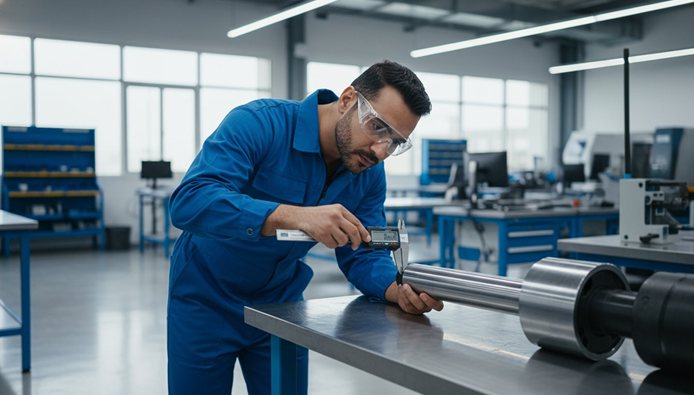
Our process begins with the careful and complete disassembly of your hydraulic cylinder. Every component is methodically cleaned and laid out for a rigorous evaluation. Our expert technicians then perform a detailed diagnostic inspection, which includes: • Precision Measurement: We measure the rod, barrel, and piston, comparing all dimensions against OEM specifications to identify wear and deviation.
• Non-Destructive Testing (NDT): Advanced NDT techniques are employed to detect microscopic cracks or hidden material flaws that visual inspections would miss.
• Failure Analysis: We provide a detailed failure analysis report that pinpoints the exact root cause, a critical first step detailed in any professional hydraulic cylinder troubleshooting guide.
Stage 2: Precision Machining, Honing, and Component Replacement
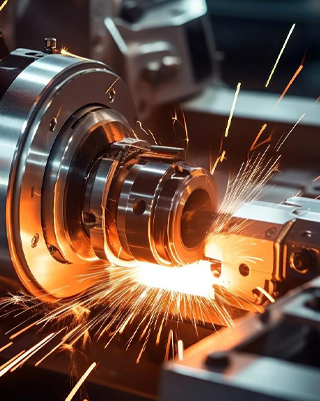
Once the faults are identified, our skilled machinists restore components with unparalleled precision. Damaged cylinder rods are re-chromed and polished to exact tolerances for a flawless finish. The cylinder barrel is honed to restore a perfect sealing surface, eliminating internal bypassing and enhancing efficiency. If any component is beyond repair, we fabricate or source new parts—such as glands, pistons, or rods—using only high-quality materials. We exclusively use seals and parts from trusted, industry-leading brands to ensure maximum durability.
Stage 3: Meticulous Reassembly and Rigorous Pressure Testing
Reassembly is performed in a contamination-controlled environment to prevent the ingress of damaging particles. Our technicians adhere strictly to OEM torque specifications for all fasteners, ensuring structural integrity. The final and most critical step is testing. Every repaired cylinder is mounted on our dedicated test bench to undergo both static and dynamic pressure tests, simulating real-world operational loads. Only after passing these rigorous tests is the cylinder certified, complete with our performance guarantee and a comprehensive warranty for your peace of mind.
Decision Matrix: When to Repair Your Hydraulic Cylinder
Making the right call between repair and replacement is critical for managing budgets and minimizing operational downtime in Saudi Arabia's demanding industrial sector. This decision matrix provides a clear framework for identifying when a professional hydraulic cylinder repair is the most strategic and cost-effective solution for your equipment:
Scenario 1: Minor Damage and Standard Wear
When cylinder failure is due to expected wear and tear rather than a catastrophic event, repair is almost always the superior choice. Understanding the common causes of hydraulic cylinder failure, such as seal degradation or minor fluid contamination, helps in diagnosing these issues. If the damage is limited to worn seals, minor rod scratches that can be polished, or a barrel that only needs light honing, a repair will restore the component to OEM specifications quickly and affordably, getting your machinery back to work with minimal delay.
Scenario 2: The Cylinder is Custom or Obsolete
For machinery that utilizes custom-fabricated or obsolete cylinders, repair is not just an option—it's a critical operational advantage. Sourcing a new, bespoke cylinder can involve staggering costs and lead times stretching for months, causing extended and costly downtime. Repairing the existing unit preserves the original engineering and gets your specialized equipment back online significantly faster than waiting for a replacement from a manufacturer that may no longer exist or support that specific model.
Scenario 3: Repair Cost is Under 60% of Replacement
A sound financial rule is to proceed with repair when the total cost is less than 60% of a new replacement. This provides a clear return on investment, provided the cylinder's core components—the rod and barrel—are structurally intact. For example, if a new cylinder costs 25,000 SAR, a comprehensive hydraulic cylinder repair for 14,000 SAR is an intelligent financial decision that extends the asset's life without the full capital expense.
Hydraulic Cylinder: Repair or Replace? (Quick Reference)
When to REPAIR
• Worn or damaged seals and external leaks
• Minor rod scratches (polishable)
• Barrel requires light honing
• Cylinder drift or power loss from internal bypass
• Cost: ~25–50% of new unit cost
• Downtime: Significantly faster turnaround
When to REPLACE
• Severely bent or bowed cylinder rod
• Deep scratches, gouges, or cracks in the barrel
• Major structural damage to piston or end caps
• Obsolete model with unavailable parts
• Cost: 100% of new unit cost
• Downtime: Subject to procurement and freight lead times
The Tipping Point: When Cylinder Replacement is the Smarter Option
At ETS, our primary goal is to ensure the long-term reliability and efficiency of your operations. While we specialize in expert hydraulic cylinder repair, we believe in providing honest assessments, and sometimes the most responsible and cost-effective solution is replacement:
Scenario 1: Catastrophic Structural Failure
When a hydraulic cylinder suffers severe structural damage, repair is often no longer a viable or safe option. Key indicators include: • A cracked, ballooned, or deeply scored cylinder barrel that cannot be re-honed to specifications.
• A cylinder rod that is severely bent, fractured, or has chrome plating damage too extensive to re-chrome.
• Irreparable damage to the cylinder's mounting points (clevis, trunnion) or ports.
Attempting to repair such extensive damage compromises operational safety and cannot guarantee reliable performance.
Scenario 2: When Repair Costs Approach Replacement Costs (The 70% Rule)
If the total estimated cost for a comprehensive hydraulic cylinder repair—including all parts, labor, and testing—exceeds 70% of the price of a brand-new cylinder, replacement becomes the more logical choice. For instance, if a new cylinder costs 10,000 SAR and the repair quote is 7,500 SAR, the marginal saving does not outweigh the benefit of a new component backed by a full manufacturer's warranty.
Scenario 3: An Opportunity to Upgrade Performance
A critical failure can also present a strategic opportunity to enhance equipment capabilities: • Improve Technology: Upgrade to modern cylinder designs with improved sealing geometries or integrated position sensors.
• Enhance Durability: Select replacement models with higher pressure ratings or corrosion-resistant coatings suited for Saudi operating conditions.
• Standardize Your Fleet: Replace obsolete models with standard commercial profiles to streamline future inventory and maintenance.
Why Trust ETS for Hydraulic Cylinder Services in Saudi Arabia?
In Saudi Arabia's demanding industrial sectors, choosing a local technical partner who can respond swiftly and effectively is critical. Emdad Technical Services (ETS) provides complete, end-to-end solutions combining expert repair capabilities with strategic parts sourcing:
• Expert Diagnosis and Honest Assessment: Skilled technicians perform thorough inspections and provide transparent inspection reports with repair-versus-replace cost-benefit analyses.
• State-of-the-Art Workshop in Dammam: Equipped with large-scale honing machinery, cylindrical grinding, lathe turnery, and calibrated dynamic test benches to service high-tonnage cylinders with minimal turnaround times.
• Comprehensive Parts Sourcing and Supply: Robust supply chains with leading global hydraulic manufacturers ensure rapid access to genuine OEM seal kits, chrome rods, and replacement barrels.
Your Strategic Partner in Hydraulic Cylinder Maintenance
Choosing between repair and replacement directly impacts your operational efficiency and bottom line in Saudi Arabia. While repair is often the most cost-effective and timely solution for common seal and surface wear, replacement becomes necessary when facing catastrophic structural damage or costs exceeding 70% of a new unit.
At ETS, our facility in Dammam provides expert hydraulic cylinder repair services tailored for the Kingdom's most demanding industries, including Oil & Gas, Marine, and Manufacturing. We guarantee reliable performance through rigorous, multi-point testing, restoring your equipment to OEM specifications.
Schedule your hydraulic cylinder inspection or request an emergency turnaround assessment at etsarabia.com.
Frequently Asked Questions About Hydraulic Cylinder Repair (FAQs)
How long does a typical hydraulic cylinder repair take?
The turnaround time depends on damage extent and parts availability. A standard reseal or minor rod polishing can often be completed within 2–3 business days. Complex overhauls requiring custom gland fabrication or barrel honing receive clear timelines immediately following initial teardown.
What is the warranty on a repaired hydraulic cylinder from ETS?
Emdad Technical Services provides a comprehensive 12-month warranty on all repaired hydraulic cylinders, covering both replacement materials and expert workmanship.
Can you repair large or oversized hydraulic cylinders for heavy equipment?
Yes. Our Dammam facility features heavy-duty overhead cranes, large-capacity horizontal honing machines, and high-pressure test benches specifically equipped for oversized cylinders used in mining, piling, marine, and construction fleets.
Do you provide on-site services for hydraulic cylinder removal and installation?
Yes. Our field service teams deploy across Saudi Arabia to diagnose issues, safely rig and extract cylinders, transport them to our workshop, and return for on-site reinstallation and commissioning.
What brands of hydraulic cylinders do you service?
We service cylinders from all major global manufacturers, including Bosch Rexroth, Parker, Caterpillar, Eaton, HYVA, and Enerpac, as well as bespoke or custom unbranded units.
Is it possible to upgrade a cylinder's performance during a repair?
Yes. A complete rebuild offers the opportunity to integrate high-temperature Viton seal kits, ceramic or heavy-chrome rod platings for saline environments, or optimized port configurations for increased flow dynamics.